

Counselling
Services
There’s no one way to ‘do’ therapy. You might know exactly what you want to work on, or you might just know that something feels off, and you’re ready to explore it.
Both are fine places to start.

What I Offer
Therapy with me is relational and collaborative. Every person brings a different story, strengths, relationships, and goals, so our work together should reflect that. I’ll bring curiosity, structure when it’s helpful, and a genuine interest in what makes you you. Some people need practical skills and strategies; others need space to process and be heard. Most need a bit of both, and their needs shift over time. We can adapt as we go.
My approach is grounded, integrative and relational, meaning that I draw from a range of evidence-based tools (see below) and tailor our sessions to fit you.
The work can be deep, practical, or sometimes both in the same hour. My life and work experiences shape my process, and are part of why people often feel understood here. I try to hold things with care; and yes, there’s room for some lightness along the way. Healing doesn’t always have to be heavy.
Areas of Support
-
Whether it’s the constant hum of worry or the heaviness that makes everything feel harder than it should, these are some of the most common reasons people find their way to therapy.
For therapy to make effective change, we need the right ingredients: a trusting relationship, a space to explore without judgment, and tools that actually help alleviate distress and increase the ability to cope with whatever life is throwing your way.
You’ll find personalized support on your own terms here.
-
When you’ve been running on empty for a long time, it starts to feel normal.
We’ll look at what’s depleting you, what you actually need, and how to start building something more sustainable for the long term — without the guilt that often comes with it.
-
Grief doesn’t follow a timeline, and it isn’t always about death. It can be the loss of a role, a relationship, a version of yourself, or a future you’d imagined.
All of it deserves space.
-
Sometimes the things that help us survive stop serving us, or they start costing us more than we’d like.
This is a non-judgmental space to explore what's underneath, and to find other ways through.
-
Trauma has a way of living in the body long after the event has passed. It manifests itself in different ways — including some that you might not even recognize.
We work at your pace, gently and carefully, using approaches that support both the mind and nervous system to find steadier ground.
-
Relationships can be some of our greatest sources of connection and our deepest sources of pain, simultaneously. Together, we'll explore patterns of attachment, communication, boundaries, and emotional intimacy to better understand how you relate to yourself and others.
Whether you're attending individually or as a couple, therapy can help you build healthier relationships, deepen self-awareness, and create lasting change.
Approaches I Draw From
-
ACT helps us build psychological flexibility by learning to respond differently to life's challenges, especially when we can't control what's happening around us. With ACT-informed practices we can explore what matters most to you and use your values as a guide for moving toward a meaningful, authentic life. Rather than trying to eliminate difficult thoughts or emotions, we'll develop new ways of relating to them so they have less influence over your choices and the life you want to create.
-
We all carry stories about who we are, often shaped by our experiences, relationships, and culture. Narrative therapy helps us examine those stories, identify the ones that no longer serve you, and begin “writing” a version that better reflects your values, strengths, and hopes.
-
“Dialectical” highlights how more than one thing, or viewpoint, can exist at the same time. DBT offers practical tools for navigating intense emotions, improving relationships, tolerating distress, and staying present. Together, we'll learn skills that can help you respond more intentionally when life feels overwhelming.
-
Healing isn't just cognitive or emotional; it's a nervous system process, too. Somatic or mind-body practices invite us to notice the body's signals with curiosity, recognizing that our bodies often hold valuable information about our experiences.
By reconnecting with the wisdom that exists in our physical form and learning how to engage the nervous system in intentional ways, we can create greater resilience, flexibility, and a deeper sense of safety and connection.
-
Sometimes it can feel like one part of you wants to move forward while another feels scared, overwhelmed, or stuck. Parts work helps us understand these internal experiences without judgment. As Dr. Richard Schwartz’s book title reads, there are actually “no bad parts”. By getting to know the different parts of yourself with curiosity and compassion, we can increase self-understanding and lay some of the inner conflict to rest.
-
OEI is a gentle, experiential approach that helps us understand the deeper patterns influencing your emotions, relationships, and sense of self. Through guided observation and experiential exercises, we create opportunities for new insight and healing by experiencing it instead of simply talking about it.
OEI can be particularly helpful for addressing longstanding relational patterns, attachment wounds, and the ways past traumatic experiences continue to shape the present.
-
The Gottman Method is an evidence-based approach to couples therapy that focuses on strengthening friendship, improving communication, navigating conflict, and rebuilding trust and connection.
Throughout the process, we'll build practical skills while also exploring the deeper patterns that shape how you relate to one another, helping you create a stronger, more connected relationship.

Types of Sessions

Individual Counselling
This is your opportunity to take your time with what you want to share.
I offer 50-minute and 80-minute sessions, so we can work at a pace that feels right.
Life doesn't have to be in crisis to benefit from therapy. Individual counselling provides an opportunity to better understand yourself, strengthen your relationships, navigate life's challenges, and build a life that aligns with your values. Together, we can create a therapy experience that meets you where you are while gently challenging you toward meaningful, lasting change.
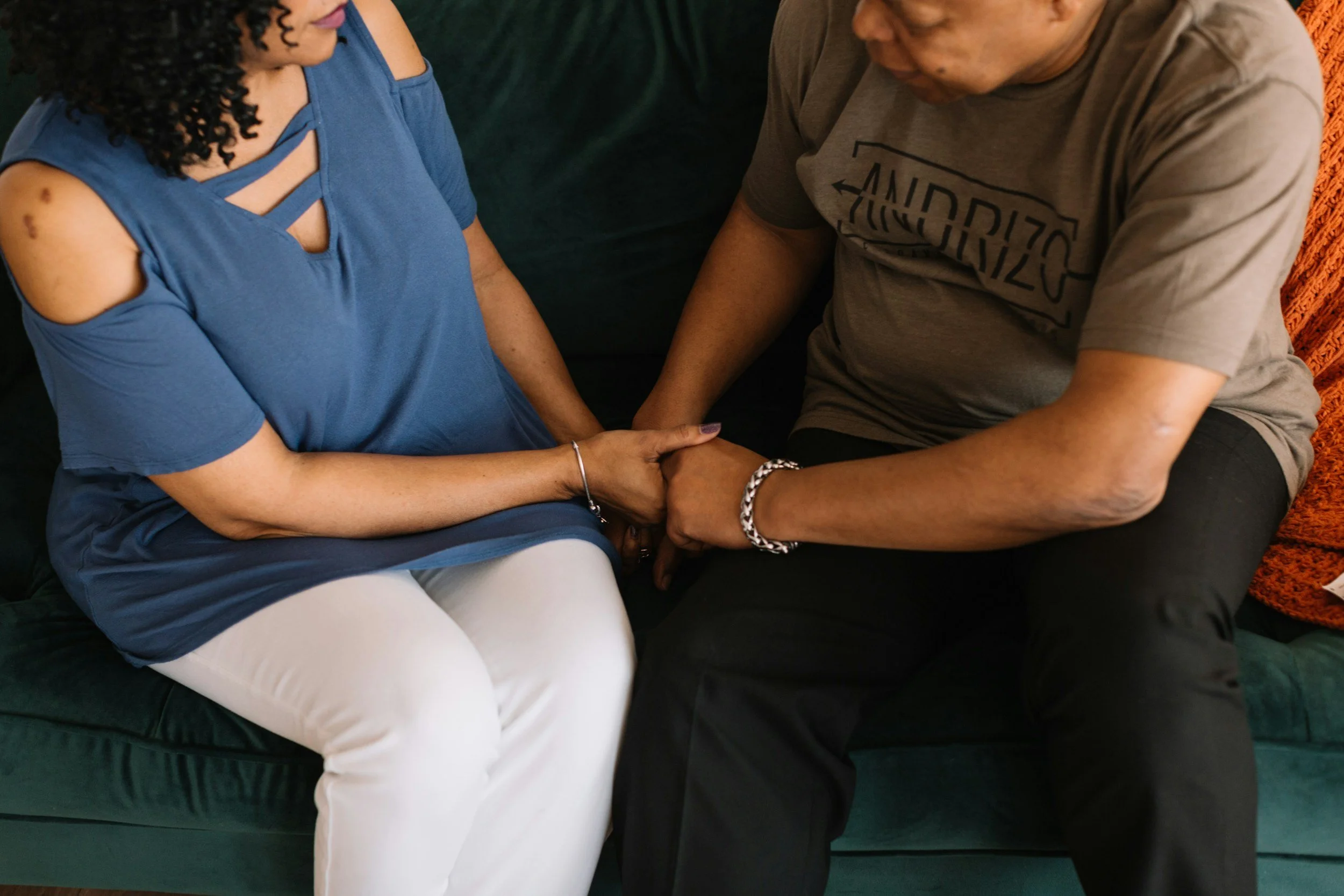
Relationship Counselling
Relationships are complex. But you and your loved one can work through it together with some outside support.
These sessions are for partners, spouses, family members, or even friends. I offer 50- and 80-minute sessions that typically begin with both people together. From there, we may choose to meet separately before coming back as a pair which is an important step that often opens things up in useful ways.
Whether you're looking to build something stronger, repair after a hard stretch, or just understand each other better, this process is designed for both of you.